
ClickFunnels vs Kit (vs Emercury):
Which Email and Marketing Platform Fits Your Business
in 2026?
Choosing between ClickFunnels vs Kit for your online business often comes down to five questions:
- Are you building sales funnels and selling products, or growing a newsletter audience?
- Do you need an all-in-one business platform, or a focused email marketing tool?
- How important is email deliverability to your revenue?
- Are you a creator building a personal brand, or a performance marketer driving leads?
- Do you send to audiences in verticals that mainstream platforms restrict, like financial services, insurance, or affiliate marketing?

Table of contents
In short, here’s what we recommend:
ClickFunnels
Is the all-in-one platform for entrepreneurs who want to build sales funnels, sell products, run courses, and manage email marketing under one roof.
Its funnel builder claims to work 300% faster than its predecessor, and over 2,000 users have generated at least $1 million through a single funnel.
That breadth comes at a cost: pricing starts at $81/month on an annual plan, the email tools exist to support funnels rather than stand alone, and multiple reviewers note that version 2.0 has a steep learning curve.
Kit (formerly ConvertKit)
Is the email-first platform for creators who write newsletters, sell digital products, and grow through audience recommendations.
Its Creator Network of 74,000 professional creators drives organic list growth, and Kit reports a 99.8% delivery rate with 40% average open rates.
But Kit is built for the creator economy, not performance marketing. Reporting is limited to 90-day windows, automation lacks A/B testing within workflows, and a September 2025 price increase more than doubled the base plan cost.
Both platforms handle email marketing as part of a larger product vision. ClickFunnels treats email as a funnel support tool. Kit treats email as a creator growth engine. But for businesses where email performance is the difference between revenue and wasted spend, neither platform makes it the central focus. That’s where Emercury comes in.
Emercury
Is an email marketing platform built for businesses that prioritize deliverability, measurable results, and ROI.
Its flagship product, Marketing Manager, provides the core engine: dedicated delivery analysts, in-house customer success representatives, a Content Scoring engine that checks emails against spam filters before sending, and Domain Group Reporting that tracks deliverability.
It also includes AI-powered content tools for generating email copy, subject lines, and mobile-optimized images inside the editor, speeding up campaign creation and A/B test iteration. For transactional emails, Emercury’s SMTP Relay provides a separate, developer-friendly infrastructure layer, giving teams a single email provider for both marketing and operational messages.
See how Emercury works if email performance and deliverability expertise are what your business needs.
ClickFunnels vs Kit vs Emercury at a glance
| ClickFunnels | Kit | Emercury | |
|---|---|---|---|
| Primary focus | All-in-one funnel and business platform | Email-first creator growth platform | Performance email marketing platform |
| Best for | Entrepreneurs selling via funnels | Creators building newsletter audiences | Performance marketers and high-volume senders |
| Email sends/month | 50K–1.2M depending on plan | Unlimited on all plans | High-volume infrastructure |
| Automation | Funnel-triggered workflows | Visual canvas builder | Journey Builder with conditional branching |
| Deliverability support | Basic (no dedicated analysts) | Shared IP infrastructure, educational resources | In-house delivery expertise on all paid tiers; dedicated analysts on Pro/Scale |
| Transactional email | Not available | Not available | SMTP Relay for transactional sends |
| Free plan | No (14-day trial) | Up to 10,000 subscribers | Forever Free: 2,000 subscribers, 12,000 emails/mo |
| Starting paid price | $81/mo (annual) | $33/mo (annual) | $227/mo (annual) |
| Commerce | Full store + funnel checkout | Digital products, paid newsletters | Not native (email-focused) |
If you’re looking for email infrastructure with dedicated deliverability support that works with your business rather than against it, you can explore Emercury’s platform here.
These platforms solve different problems
The comparison between ClickFunnels, Kit, and Emercury is less about which is “better” and more about which problem you’re trying to solve.
ClickFunnels was founded in 2014 to replace the expensive, developer-dependent process of building sales funnels. It has since expanded into a business platform covering funnels, websites, email marketing, ecommerce, CRM, courses, and community. Email marketing is one of a dozen tools inside it. The Email App, Automations App, and MessageHub are included on every plan, but they exist to serve funnel conversion workflows, not to function as a standalone email marketing engine.
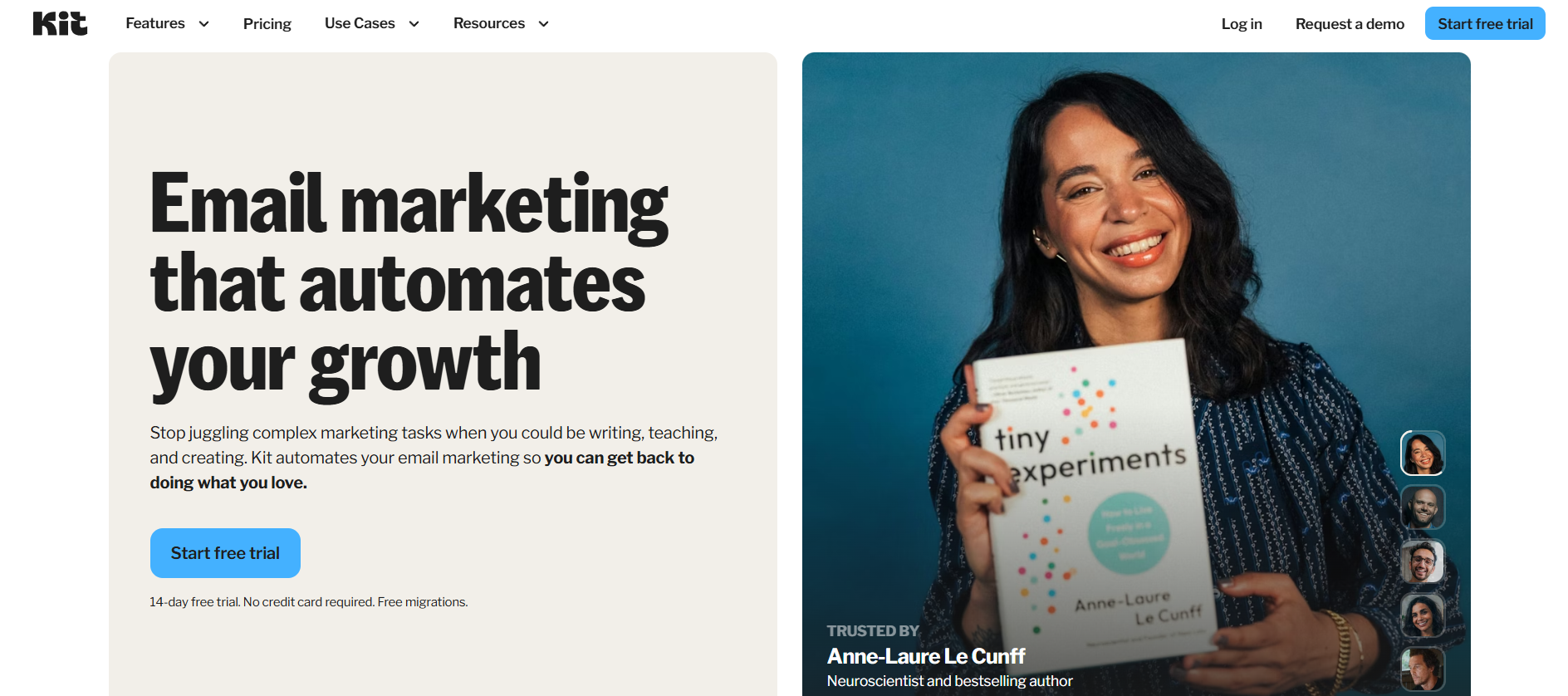
Kit started in 2013 as an email tool for bloggers and has grown into what it calls the “email-first operating system for creators who mean business.” Email is the backbone. Everything else (landing pages, commerce, the Creator Network) is built around growing and monetizing an email list. Kit sends over one billion messages per month and has 640,000+ creators on the platform.
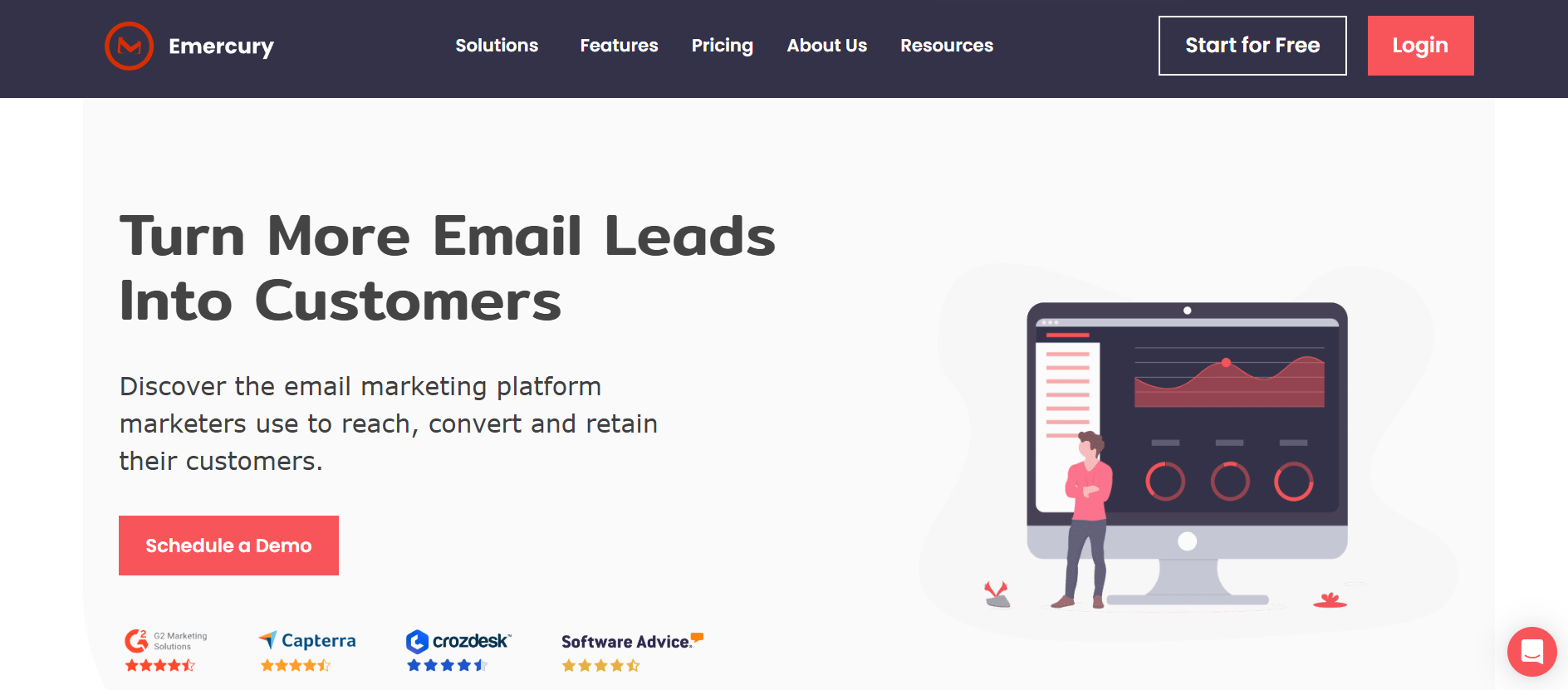
Emercury has operated since 2002 with a single focus: email performance and deliverability. It started as an internal module inside a lead generation website and was formally incorporated in 2006. While ClickFunnels builds funnels and Kit builds audiences, Emercury builds email infrastructure that gets messages into inboxes. Its Marketing Manager platform serves 10,000+ marketers and businesses with a team of 21 people that includes engineers specializing in Mail Transfer Agent infrastructure, the layer of email technology that most platforms abstract away entirely.
ClickFunnels dominates funnel-based selling
If your business runs on sales funnels (lead capture, sales page, checkout, upsell), ClickFunnels was built for that workflow and has been since 2014.
The platform includes pre-built funnel templates for lead generation, product sales, webinars, and more. Each funnel step shows pageviews, opt-ins, orders, and revenue directly in the builder, so you see conversion data without switching screens. Smart Checkout recognizes returning customers by email and auto-fills their payment information for one-click purchases. Store Funnels handle shipping calculations, tax, and even Zendrop integration for dropshipping.
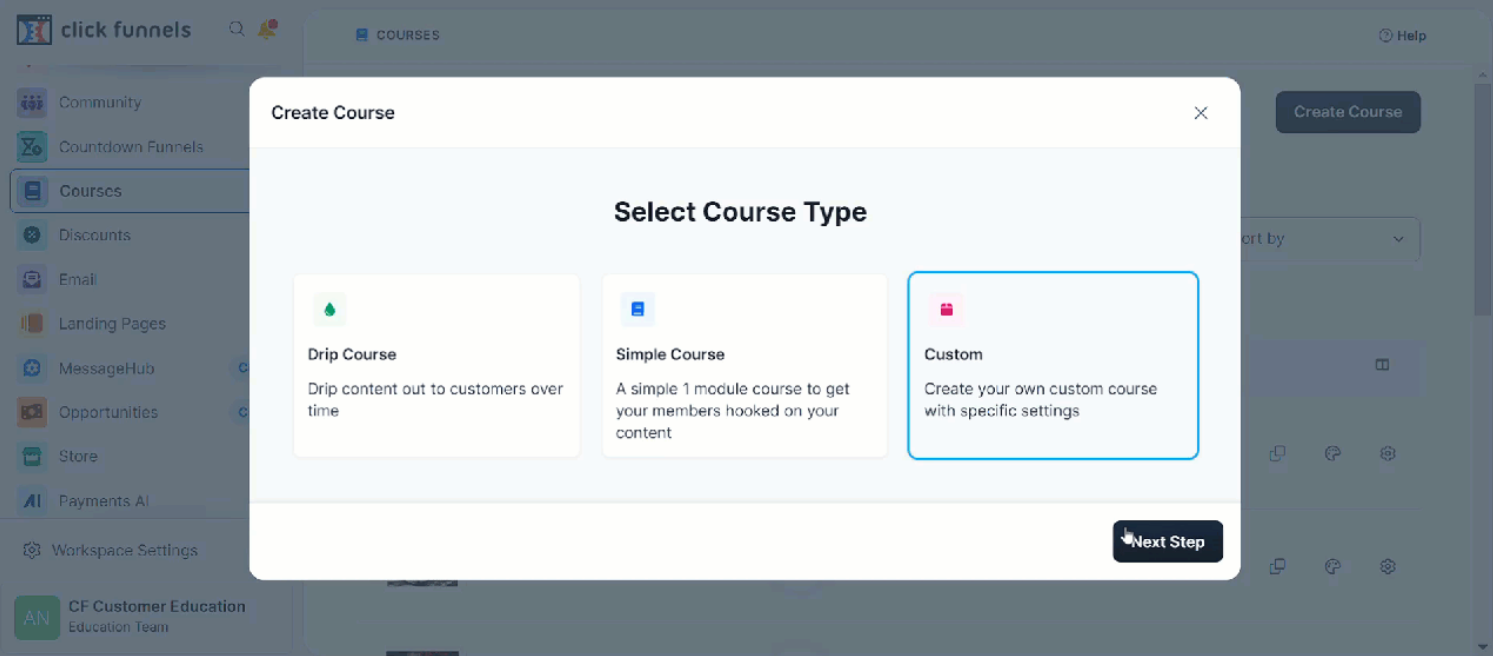
The Courses App lets you sell and deliver online courses with zero transaction fees. The Community App provides a branded, algorithm-free space for members. The Appointments App handles booking inside funnel pages, syncing with Google Calendar, Apple iCloud, Office 365, Exchange, and Outlook.
Source: ClickFunnels
Kit and Emercury don’t attempt any of this. Kit has basic digital product sales (3.5% + $0.30 per transaction) and paid newsletter subscriptions, but no funnel builder, no physical product store, no courses, and no CRM pipeline. Emercury focuses entirely on email marketing and has no commerce or funnel capabilities.
For entrepreneurs selling courses, coaching packages, physical products, or running webinar-driven businesses, ClickFunnels consolidates tools that would otherwise require five or six separate subscriptions.
Kit wins for creator audience growth
Kit’s advantage is its Creator Network, a cross-promotion engine no other email platform has replicated at scale.
When someone subscribes to a Kit creator’s newsletter, they see recommendations for other creators and can subscribe to those too, without leaving the signup flow. Kit reports that creators who use mutual recommendations achieve 2x list growth. With 74,000 professional creators in the network (including James Clear, Ali Abdaal, and Tim Ferriss), the density of cross-promotion partners is a real competitive moat.

Source: Kit
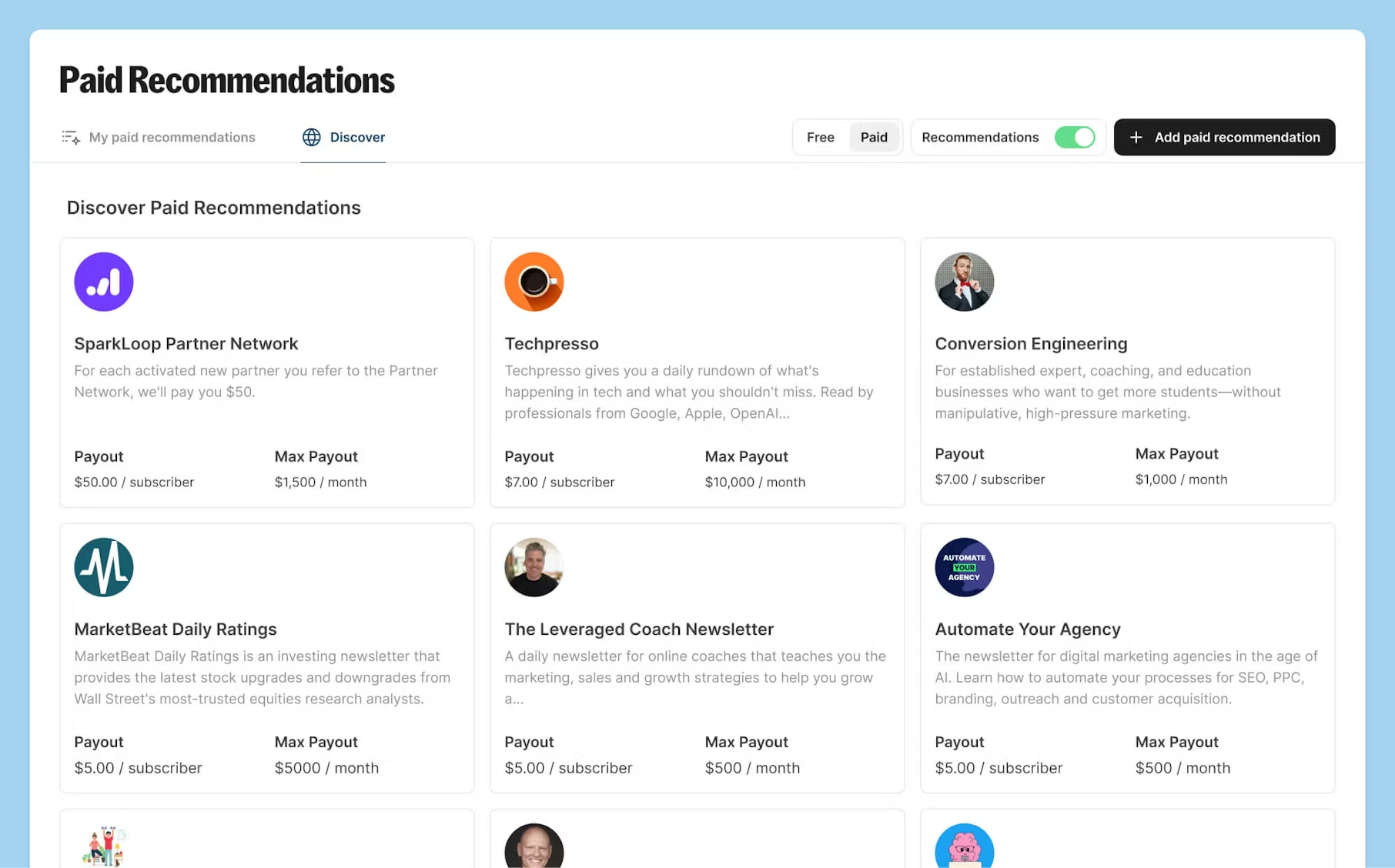
Kit’s Paid Recommendations feature extends this further. Creators can pay a per-subscriber fee to be recommended by other newsletters (even those outside Kit), or earn income by recommending paying creators to their own audience. Over 100 newsletters are paying to be recommended, including 1440, Demand Curve, and Front Office Sports.
Source: Kit
ClickFunnels has no equivalent. Its growth model relies on paid traffic driven to funnels. Emercury has no audience-growth network either; its model assumes you already have leads and need to convert them through high-performance email.
For writers, podcasters, YouTubers, and newsletter operators who want organic, algorithm-free audience growth, Kit’s Creator Network is a feature neither competitor offers.
Emercury is built for performance email marketing
ClickFunnels and Kit both include email marketing. Neither treats email performance and deliverability as a core discipline.
ClickFunnels’ Email App surfaces a 99% delivery rate in product screenshots and mentions a “smart delivery system,” but doesn’t publish methodology details or offer dedicated deliverability support below the Scale plan. Kit maintains strong shared infrastructure with a 99.8% delivery rate and publishes monthly deliverability reports, but its approach is educational (documentation, a podcast, list-cleaning guidance) rather than hands-on.
Emercury’s Marketing Manager approaches deliverability as an active, managed service.
Every paid plan includes access to in-house customer success representatives with delivery expertise (members of Emercury’s core team, not outsourced support). On Pro and Scale plans, accounts get a named Delivery Analyst who manages sender reputation, builds customized IP warm-up schedules based on engagement data, and responds to issues in real time. The Advanced Alerting System fires notifications on URL blacklisting, content blocking, DKIM/SPF failures, and deferrals during live campaigns.
Before any email sends, the Content Scoring Engine runs eight checks (RDNS, SPF, DKIM, DNSBL, Google blacklist signals, SpamAssassin, HTML validation, and short URL detection) on every plan, including free.
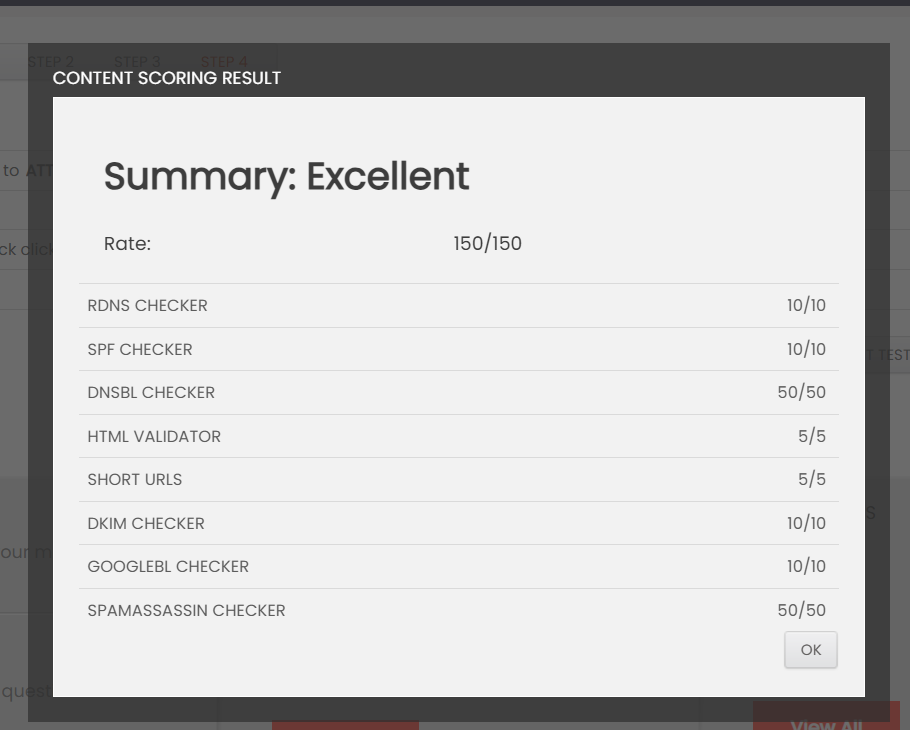
The Advanced Spam Test extends this with a 150-point proprietary scanner. The Domain Trending Report tracks open rate trends per mailbox provider (Gmail, Yahoo, Outlook) over time, with color-coded alerts when deliverability degrades at a specific provider.
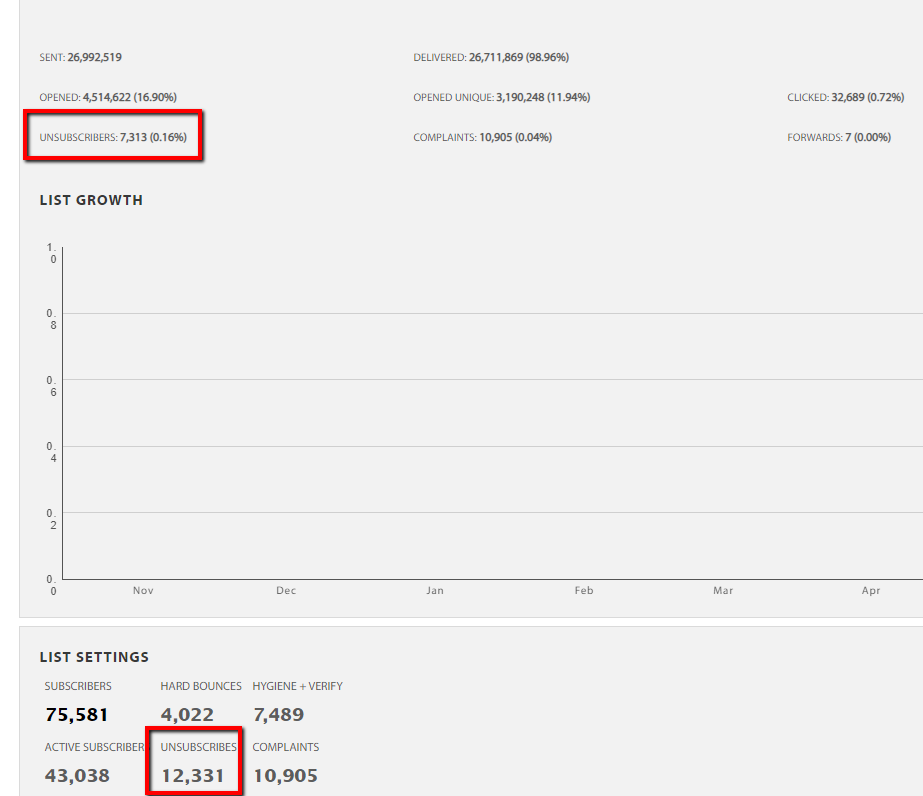
The platform’s List Analysis Tool runs automatically on import, identifying spam traps, bogus emails, frequent complainers, and unsafe addresses. Flagged contacts are excluded from sends without manual cleanup, with clear metrics on how many addresses are safe to send versus how many should be removed to protect sender reputation.
Emercury also includes AI-powered tools for generating email copy, subject lines, and mobile-optimized images within the platform. These speed up campaign creation and make it easier to iterate on A/B test variations without building each version from scratch.
For businesses sending high volumes of email monthly (lead generators, affiliate marketers, financial services, insurance), this level of infrastructure directly affects revenue. An email that lands in spam generates zero value regardless of how good the copy or the funnel is.
That said, Emercury’s entry price is higher than both ClickFunnels and Kit for email-only functionality, its integration ecosystem is smaller, and it offers no native commerce or funnel capabilities. These are deliberate trade-offs: Emercury invests in deliverability infrastructure and human expertise rather than breadth of features.
“These guys aren’t your typical support guys. They are seasoned industry experts who provide solutions as well as explanations, and even assistance in doing the legwork.” (Kirk W., Director of Operations, Investment Management)
Email automation takes three different shapes
Each platform automates email differently, reflecting its core design.
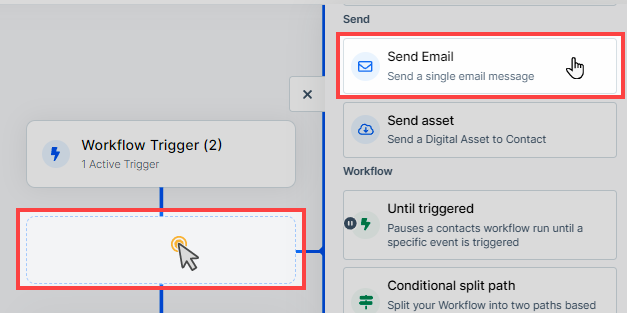
ClickFunnels’ Automations App triggers actions based on funnel events: opt-ins, purchases, course enrollments, appointment bookings. The automation system connects to every ClickFunnels module (store, courses, messaging, appointments), so a single workflow can send an email, enroll someone in a course, and schedule a follow-up call. This cross-app integration works well when your entire business runs inside ClickFunnels. The limitation: email automation is tethered to the funnel framework. If you need standalone email sequences that don’t start with a funnel event, the system feels constrained.
Source: ClickFunnels
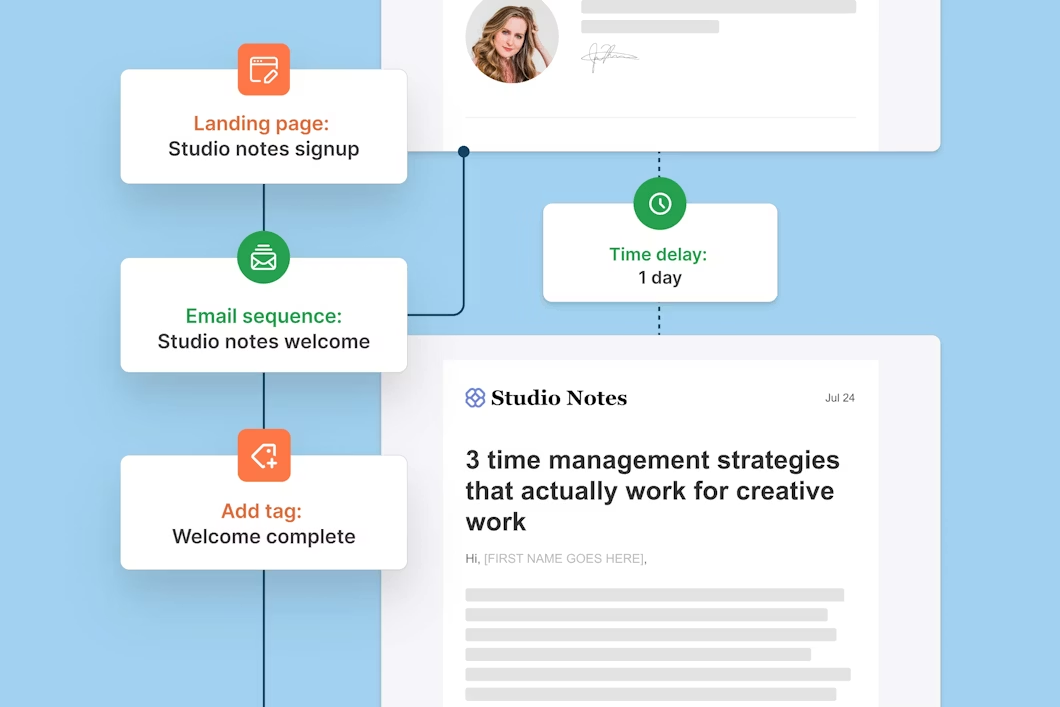
Kit’s Visual Automations uses a canvas-based builder with three node types: Events (triggers), Actions (what happens), and Conditions (branching logic). Creators chain these into subscriber journeys like welcome sequences, launch campaigns, and nurture funnels. Kit supports continuous looping, cross-automation subscriber movement, and shareable automation templates. The builder is intuitive for non-technical users, though it lacks A/B testing within automation branches.
Source: Kit
Emercury’s Journey Builder is a visual, drag-and-drop automation system with seven triggers (new subscriber, existing list, tag match, field match, tracked event, task event, and API event). What sets it apart are deliverability-oriented automation features and advanced workflow logic.
The Drip feature caps how many emails an automation sends per day, protecting sender reputation during list warm-up. Per-message suppression lists let you exclude different segments at each step of a multi-email sequence. Day-of-week and time-window controls restrict when automation emails fire, and holiday exclusion skips specific calendar dates. The Go To module enables branching logic within workflows, while Smart Personalization allows conditional content within individual emails, displaying different content based on subscriber attributes or behavior without creating separate emails. These are features built for senders who measure success in inbox placement rates and revenue per subscriber, not just open rates.
“Very intuitive and easy to use, with a good amount of features. It is also very easy to load contacts and select which ones to target per campaign.” (Krystal S., Digital Marketing Specialist, G2 review)
Segmentation reflects each platform’s audience
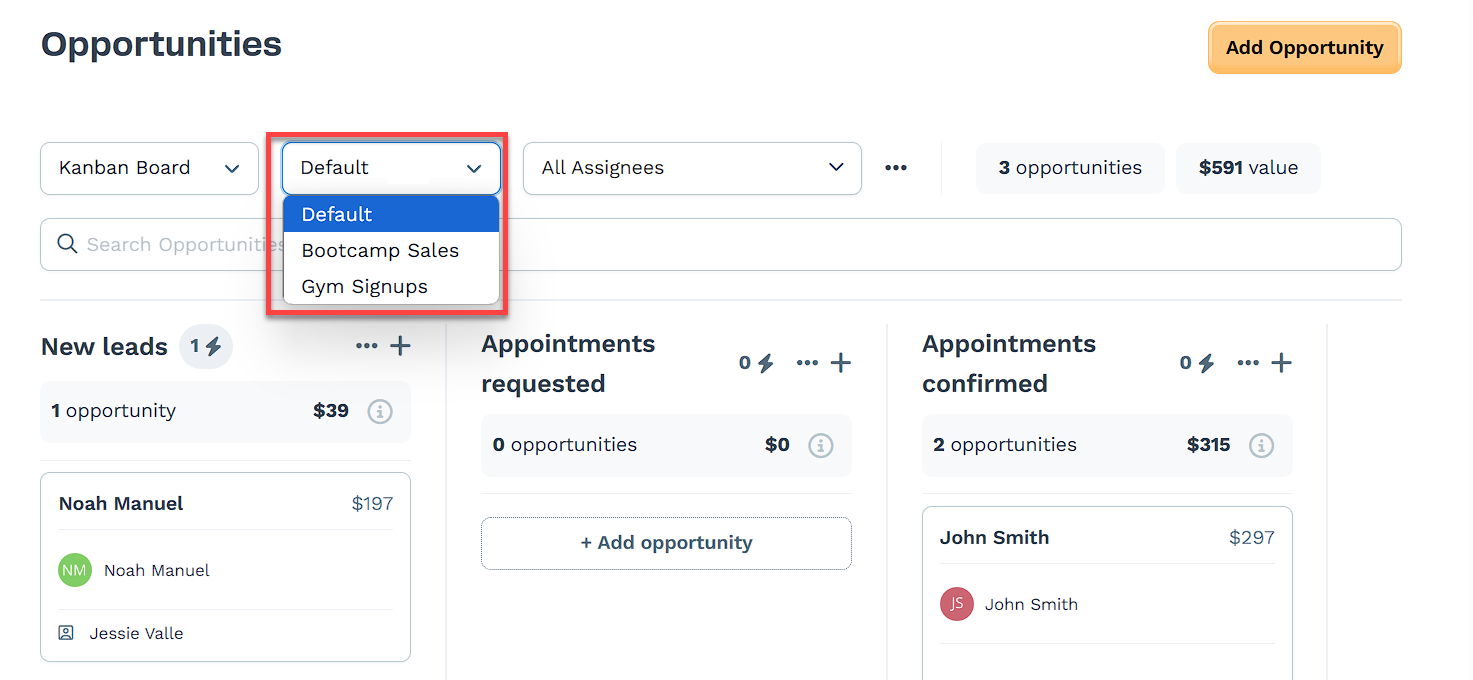
ClickFunnels uses a contact-and-tag system within its CRM, with unlimited contacts on all plans. Segmentation is funnel-centric: who opted in where, who purchased what, who booked an appointment. The Opportunities pipeline provides a visual deal tracker. It works for funnel-based businesses but doesn’t approach the segmentation depth of a dedicated email platform.
Source: ClickFunnels
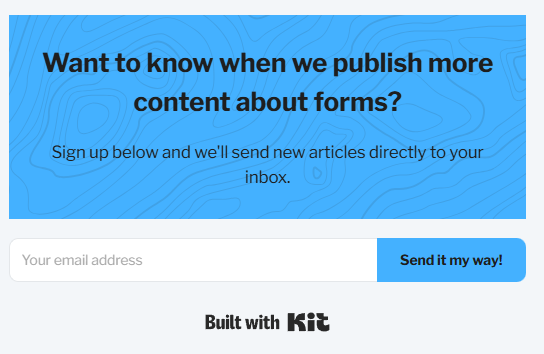
Kit uses a single-list, tag-based model where each subscriber is counted once regardless of how many forms they join through. Tags are applied automatically on form submission, product purchase, link click, or poll response. Segments combine tags, custom fields, and behavioral data. Kit’s approach is clean and creator-friendly, though it lacks the granularity high-volume senders need (no per-provider segmentation, no domain-group filtering).
Source: Kit
Emercury treats segmentation as a deliverability tool, not just a targeting tool. Its Advanced Segment Builder supports nested condition groups with AND/OR logic, behavioral filters (opened, clicked, not opened within X days), domain group conditions (segment by Gmail vs. Yahoo vs. Outlook), and volume conditions for splitting lists into batches during warm-up.
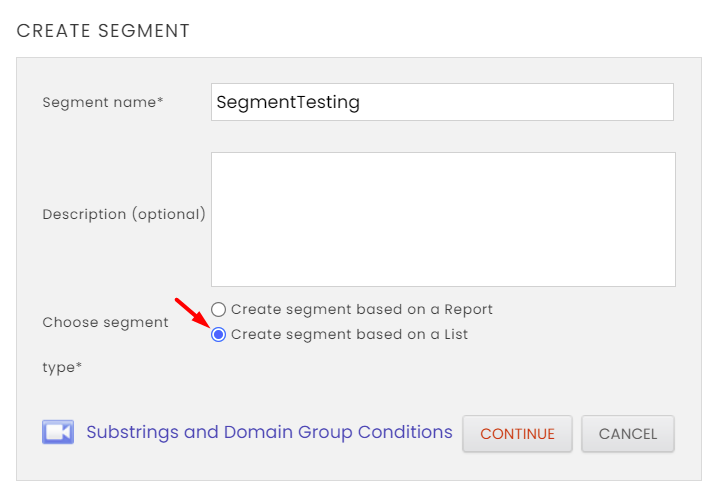
Smart Segments auto-update membership in real time as subscriber behavior changes. Report-based segments target contacts based on interactions with specific past campaigns. Virtual segments created inline during campaign setup provide one-time batch control without cluttering the account with persistent segment objects.
The difference matters most for high-volume senders. Segmenting by mailbox provider lets you adjust send frequency for Gmail versus Yahoo based on each provider’s tolerance. Batching sends via volume conditions protects new IPs during warm-up. Most creators don’t need these features, but for businesses sending high volumes monthly, they’re essential.
Transactional email: a gap only Emercury fills
When a customer buys a product, resets a password, or receives an order confirmation, that message is a transactional email. It needs to arrive immediately and reliably.
ClickFunnels handles transactional messages within its own platform (order confirmations, course enrollment notifications) but does not offer SMTP relay for external transactional sends. Kit handles its own internal transactional messages but provides no infrastructure for external applications to send through it.
Emercury’s SMTP Relay fills this gap. It’s a developer-friendly transactional email service separate from Marketing Manager, designed for SaaS platforms, e-commerce stores, and applications that generate transactional emails like account verification, payment reminders, shipping confirmations, and onboarding sequences. The relay supports integration via PHP, Python, cURL, JSON, Ruby, C#, and Java, with API integration for mobile applications and multi-domain support from a single account.
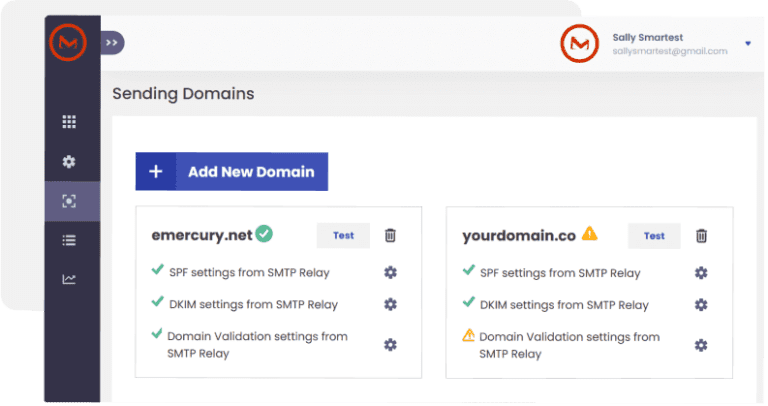
It also includes a free tier with 3,000 total emails or 100 emails per day. For businesses that need both marketing and transactional emails to arrive reliably, Emercury provides a single provider for both, without requiring a separate transactional email service. (Note: marketing emails cannot be sent through the SMTP Relay; it is strictly for transactional sends.)
Pricing reflects different business models
ClickFunnels charges a flat subscription with tiers based on workspace count, team seats, contact limits, and email volume:
| Plan | Monthly | Annual (per mo) |
|---|---|---|
| Launch | $97/mo | $81/mo |
| Scale | $197/mo | $164/mo |
| Optimize | $297/mo | $248/mo |
The Launch plan includes 10K contacts, 50K emails/month, 2 team members, and 3 courses. Live chat support requires the Scale plan or above. API and webhook access are also gated to Scale+. A 14-day free trial plus 30-day money-back guarantee provides a 44-day risk-free evaluation window.
Kit uses subscriber-count pricing with unlimited email sends on every plan:
| Plan | 1,000 subscribers (annual) |
|---|---|
| Newsletter (Free) | $0 (up to 10,000 subscribers) |
| Creator | $33/mo |
| Pro | $66/mo |
Kit’s free tier is generous: 10,000 subscribers with unlimited broadcasts, landing pages, forms, and commerce. The trade-off is that Kit occupies one Recommendations slot and retains Paid Recommendation earnings from it. The Creator plan unlocks unlimited automations, A/B testing, and app integrations. Pro adds team collaboration, deliverability reporting, and subscriber engagement scoring. A 14-day free trial with no credit card required is available for both paid plans.
Emercury uses a dual-axis model based on both subscriber count and send volume:
| Plan | Starting Price (annual) |
|---|---|
| Forever Free | $0 (2,000 subscribers, 12,000 emails/mo) |
| Grow | From $227/mo |
| Pro | From $687/mo |
| Scale | From $1,167/mo |
Emercury’s pricing is higher because you pay for emails sent and support level, not for features. There is no feature-gating across tiers. The same core Marketing Manager features (Content Scoring, List Analysis, Journey Builder, AI tools, segmentation) are accessible on every plan, including free.
What scales with price is send volume, deliverability support depth, and infrastructure (dedicated IPs, failover IPs, prioritized sending). Pro includes a dedicated Delivery Analyst, dedicated IP, a Customer Success Manager, monthly one-on-one training sessions, and automation setup reviews. Scale adds prioritized sending, ECPM reporting, email audits, and an uptime SLA. Emercury also offers a CPM-based billing model (pay per send with no contact limit), designed for high-daily-lead-volume operators who import and mail fresh leads continuously.
The right pricing comparison depends on what you’re replacing. ClickFunnels replaces a funnel builder, email tool, course platform, CRM, and community tool. Kit replaces an email tool and basic storefront. Emercury replaces an email tool and, at higher tiers, a deliverability consultant.
Support models match each platform’s scale
ClickFunnels provides standard support on the Launch plan ($81/mo) with email only. Priority support and live chat require the Scale plan ($164/mo) or above. The Dominate plan ($5,997/year) includes VIP support and a 3-hour private onboarding session. The company maintains a community of over 300,000 members and a Frameworks Library of pre-built funnels.
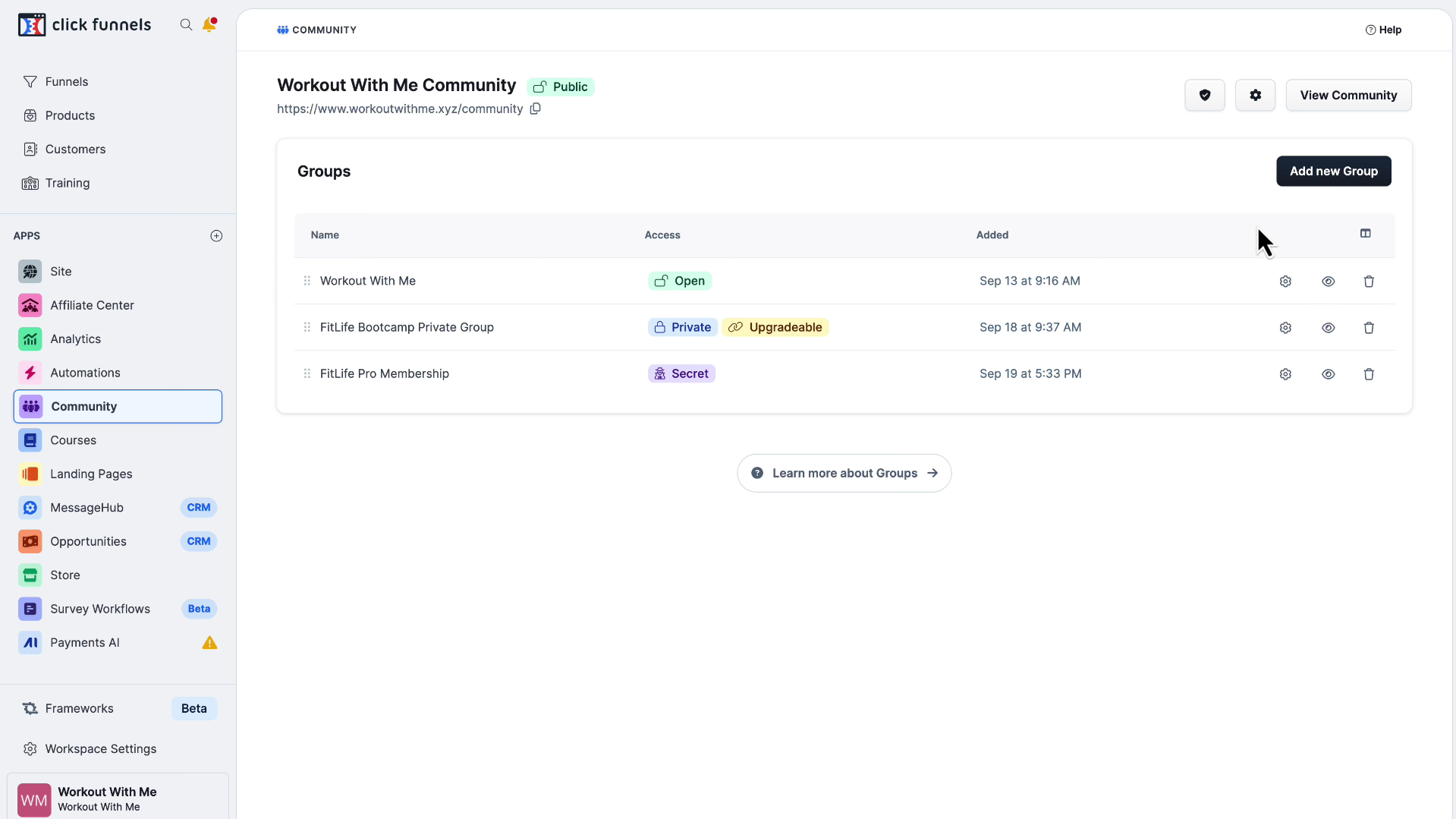
Source: ClickFunnels
Kit offers 24/7 email and chat support on all plans including the free tier, with priority support on Pro. Free migration assistance is available for paid plan subscribers. Kit University provides structured courses, and a Hire a Kit Expert marketplace connects creators with vetted specialists for hands-on implementation.

Source: Contra
Emercury provides in-house customer support across all paid tiers (members of the core team with delivery expertise, not outsourced representatives). Grow plans include ticket and chat support. Pro adds phone and Skype support with a dedicated Delivery Analyst and Customer Success Manager, including onboarding consultation and monthly automation setup reviews. Scale includes prioritized support with the same dedicated analyst relationship.
Managed services for audit, strategy, campaign management, and design are available as add-ons. The distinction: Emercury’s support on higher tiers is proactive. Analysts monitor account health, investigate performance changes, and check for policy updates from mailbox providers like Google and Yahoo, rather than waiting for you to file a ticket.
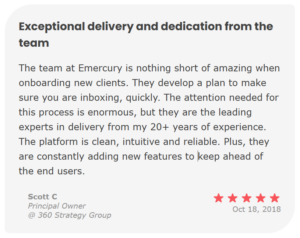
“The leading experts in delivery from my 20+ years of experience.” (Scott C., Principal Owner, 360 Strategy Group)
Who handles restricted verticals?
This is where ClickFunnels and Kit diverge sharply from Emercury.
Both ClickFunnels and Kit serve mainstream business audiences. ClickFunnels targets coaches, course creators, and ecommerce sellers. Kit targets writers, podcasters, and content creators. Neither platform addresses the compliance and deliverability challenges of affiliate marketing, financial services lead generation, insurance, or crypto.
Emercury takes a consultative approach to account management across all verticals. Its affiliate marketer page states directly: “Tired of worrying about your account getting shut down for sending out your offers to your leads? We are not in the business of shutting down accounts.” Affiliate marketing is just one example.
The platform serves lead generators, agencies, financial services, affiliate marketers, insurance providers, and blockchain/crypto. As long as customers have recipient consent and comply with terms and conditions, Emercury does not shut down accounts for sending at volume. That’s a common complaint about larger ESPs that claim to support these verticals but send end-of-service messages once volume increases.
This isn’t just a permissive policy. It’s backed by infrastructure designed for high-volume performance marketing: real-time alerting on compliance issues, content scoring before every send, dedicated IPs to isolate sender reputation, and deliverability analysts who understand the specific challenges of these verticals.
If you operate in one of these verticals, the question isn’t whether ClickFunnels or Kit is better. The question is whether either platform will let you operate at all.
ClickFunnels vs Kit vs Emercury: Which should you choose?
The best choice depends on your business model, not a feature checklist.
Choose ClickFunnels if:
- You sell products, courses, or coaching through structured sales funnels
- You want funnels, email, ecommerce, CRM, and courses in one platform
- You’re a solopreneur or small team building an online business from scratch
- Your email marketing primarily supports funnel conversion sequences
- You value the Two Comma Club community and Russell Brunson’s direct-response methodology
Start your free trial with ClickFunnels
Choose Kit if:
- You’re a creator building and monetizing a newsletter audience
- Organic audience growth through the Creator Network matters more than paid traffic
- You sell digital products, courses, or paid subscriptions from your email platform
- You want visual automations without technical complexity
- You need a generous free plan to start before committing financially
Try Kit free with up to 10,000 subscribers
Choose Emercury if:
- Your business treats email as a revenue channel where deliverability directly determines ROI
- You’re an email marketing veteran or performance marketer who needs measurable results, not convenience features
- You send high volumes and need dedicated IPs, warm-up management, and domain-level reporting
- You operate in affiliate marketing, financial services, insurance, or other verticals where mainstream ESPs restrict accounts
- You want in-house human support on every paid tier and a named deliverability analyst on Pro/Scale, not just a support ticket queue
- You need both marketing email (Marketing Manager) and transactional email (SMTP Relay) under one provider
- You want all core features on every plan with no feature-gating, and the option for CPM-based pricing at high volumes
Get a free forever plan and see how Emercury protects your deliverability
ClickFunnels, Kit, and Emercury each do one thing well. ClickFunnels builds and optimizes sales funnels. Kit grows and monetizes creator audiences. Emercury gets emails into inboxes and turns deliverability into revenue. The right platform is the one that solves the problem your business actually has.
ClickFunnels vs Kit vs Emercury FAQ
What is the core difference between ClickFunnels, Kit, and Emercury?
ClickFunnels is an all-in-one business platform for building sales funnels, selling products, running courses, and managing email marketing in one subscription. Kit is an email-first platform for creators that combines audience growth through its Creator Network, visual automations, and digital product sales. Emercury is a performance email marketing platform whose Marketing Manager product focuses on deliverability with dedicated delivery analysts, content scoring, domain-level reporting, AI-powered content tools, and support for high-volume senders in verticals that mainstream platforms often restrict.
Which platform is cheapest to get started with?
Kit has the most generous free plan at up to 10,000 subscribers with unlimited broadcasts, landing pages, and commerce features. Emercury’s Forever Free plan covers 2,000 subscribers and 12,000 emails per month. ClickFunnels has no free plan, only a 14-day trial with a 30-day money-back guarantee. For paid plans, Kit starts at $33/month, ClickFunnels at $81/month, and Emercury at $227/month (all billed annually). Emercury’s higher entry price reflects its no-feature-gating philosophy: all core features are available on every plan, with pricing based on send volume and support level rather than feature access.
Which platform has the best email deliverability?
Emercury makes deliverability its central focus, offering in-house customer success with delivery expertise on all paid tiers, dedicated Delivery Analysts on Pro and Scale plans, a proprietary Content Scoring engine with eight checks before every send, a 150-point Advanced Spam Test, Domain Trending Reports that track inbox placement per mailbox provider, and real-time alerting during live campaigns. Kit reports a 99.8% delivery rate and publishes monthly deliverability reports, with a dedicated deliverability team and educational resources. ClickFunnels surfaces a 99% delivery rate in product screenshots but does not provide detailed deliverability methodology or dedicated support.
Can I use ClickFunnels or Kit for affiliate marketing or financial lead generation?
Both ClickFunnels and Kit serve mainstream business audiences (entrepreneurs, creators, course sellers) and do not address the compliance and deliverability challenges of affiliate marketing or financial services. Emercury takes a consultative approach to account management: as long as customers have recipient consent and comply with terms and conditions, accounts are not shut down for sending at volume. This extends across affiliate marketing, financial services, insurance, and other verticals where larger ESPs often restrict senders despite initially claiming support.
Which platform handles both marketing and transactional emails?
Only Emercury offers both: Marketing Manager for marketing emails and SMTP Relay for transactional email (order confirmations, password resets, notifications). These are separate products (marketing emails cannot be sent through the SMTP Relay). The SMTP Relay is developer-friendly with API integration and supports SaaS platforms, e-commerce stores, and applications that generate transactional messages. ClickFunnels and Kit handle internal transactional messages within their own platforms but do not provide external SMTP relay infrastructure.
Does Kit’s Creator Network have an equivalent on ClickFunnels or Emercury?
No. Kit’s Creator Network, with 74,000 professional creators cross-promoting each other’s newsletters, is unique to Kit. ClickFunnels relies on paid traffic driven to funnels for growth. Emercury assumes you already have leads and focuses on converting them through performance-optimized email. Creators who depend on organic audience growth through peer recommendations will only find that on Kit.
Which platform is best for selling online courses?
ClickFunnels has the most complete course infrastructure, with a dedicated Courses App, drag-and-drop course builder, drip content delivery, student progress tracking, completion certificates, and zero transaction fees on course revenue. Kit lets creators sell digital products including courses through its Commerce feature at 3.5% + $0.30 per transaction, but does not offer native course hosting. Emercury does not include course or commerce capabilities.
How does email automation compare across the three platforms?
ClickFunnels automates based on funnel events (opt-ins, purchases, course enrollments) and connects across its entire app suite. Kit uses a visual canvas builder with triggers, actions, and conditions designed for creator workflows like welcome sequences and launch campaigns. Emercury’s Journey Builder includes performance-oriented features not found on the other platforms: daily send caps for warm-up protection, per-message suppression lists, day-of-week and time-window controls, holiday exclusion, a Go To module for branching logic, and Smart Personalization for conditional content within individual emails.